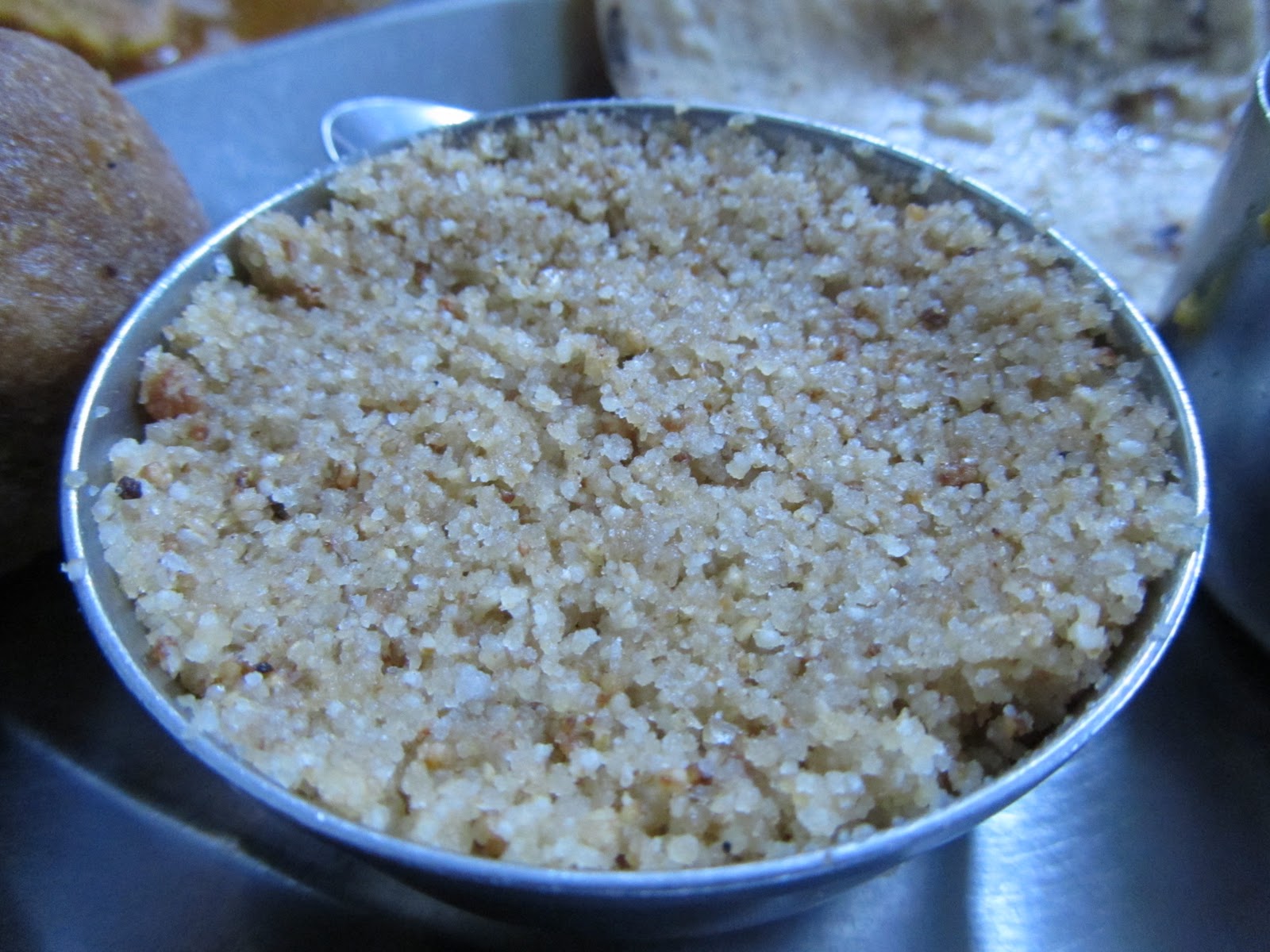
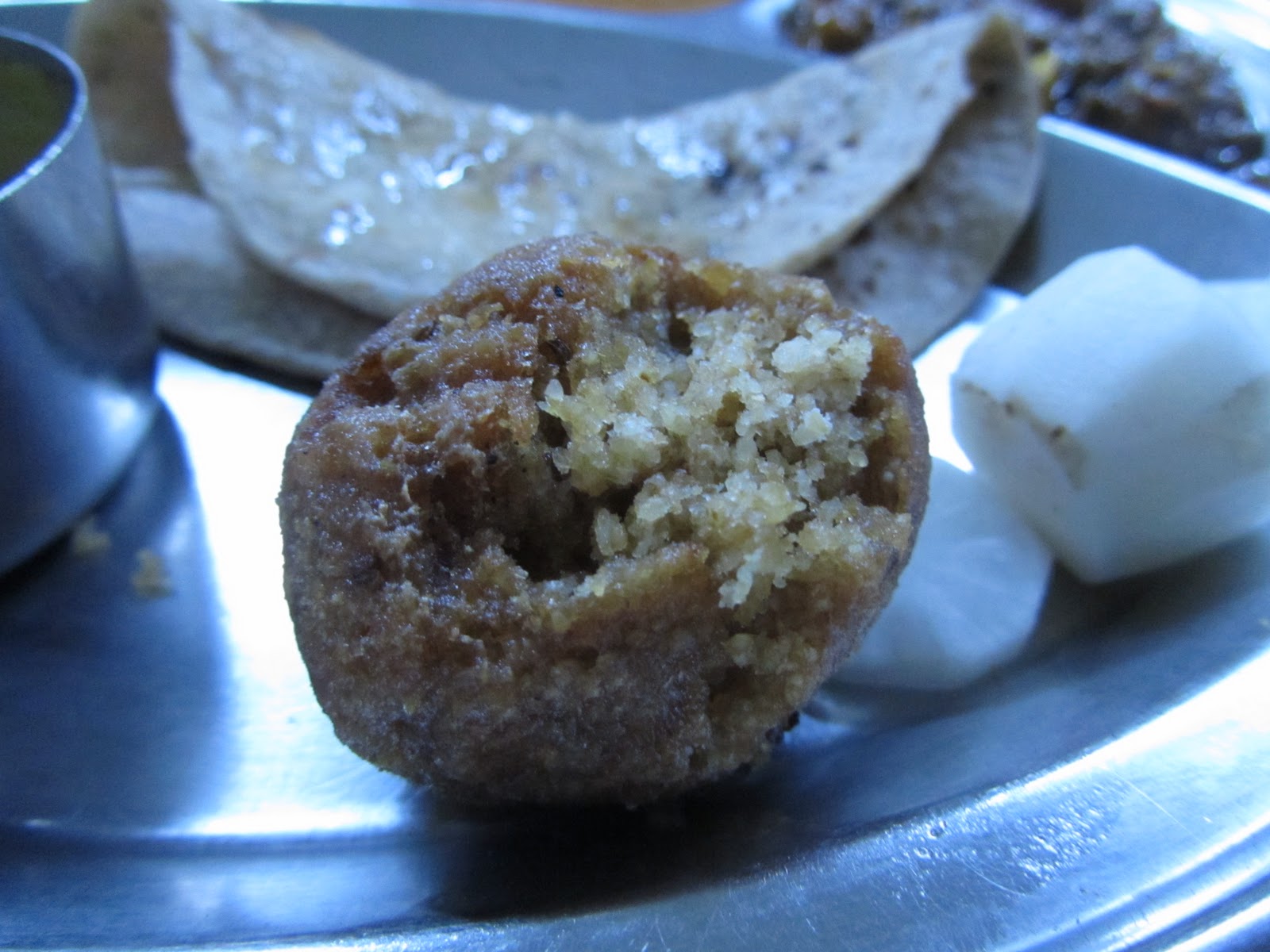
As you know, losing weight is one of my obsessions. And in pursuit of that, going around organic food stores in search of interesting things to eat and replace routine things with, my pastime.
That's how I came across amaranth seed (or rajgeera as it's known in Hindi) a year or two ago. The leaf (thotakura, in Telugu) is popular, I regularly use it with dal or by itself to make a stir-fry. It looked like tiny globules of dry yeast, stuffed into plastic packs with cooking instructions typed on white paper. I took a pack home, and quite liked it. I learnt this was the same grain that the rajgeera chikki (brittle) or laddu was made with. There's also popped amaranth sold in these organic stores - the suggested use is as breakfast cereal, but I'm coming around to realising microwaved idlis, eggs and fruit are my kind of breakfast. (I'm the kind who buys idli batter off a shelf but today, there were reports in the newspapers that 55 per cent of the readymade batter brands, including four well-known ones, were contaminated with fecal matter, so I won't be buying it for a while, I'm sure.)
Back to amaranth, though! The pack suggested it could be eaten with dal and curds/yoghurt, just like rice. I don't remember what I did with the majority of the pack, but I do remember how good the curds mixed with the cooked seed tasted, and that's what I made today, with my second pack of amaranth.
I have a small problem, though - this current pack has some mud/stones in it, and I don't quite know how to rinse this teensy-weensy grain efficiently - in a way that the mud/stones are weeded out, but it's not too bad. Maybe I just got a badly done batch - as long as I don't find out it's fecally contaminated, I'll be fine.
Quite the wonder food it seems to be, with no gluten, high levels of iron and amino acids not often found in grains:
"Amaranth seed is high in protein (15-18%) and contains respectable amounts of lysine and methionine, two essential amino acids that are not frequently found in grains. It is high in fiber and contains calcium, iron, potassium, phosphorus, and vitamins A and C.Read more here.
The fiber content of amaranth is three times that of wheat and its iron content, five times more than wheat. It contains two times more calcium than milk. Using amaranth in combination with wheat, corn or brown rice results in a complete protein as high in food value as fish, red meat or poultry."
There's a lot of information about amaranth seed on the Internet, it sounds good and healthy though I have only done a little bit of reading about it, and I may eat it more often to give my meals more variety - and, of course, hopefully consume fewer calories or a better class of calories in the process. Here's a curd preparation with it - tastes like the traditional curd rice in my South Indian home, with the seed giving it the touch of the exotic!

Here are the seeds.

Close up, they look big, but they aren't.

This is a cup of amaranth seed after being cooked in 1.5 cups of water brought to the boil
and simmered until absorbed.

Up close, doesn't look very appetising, does it?
But persevere.

Temper a spoon of hot oil with a little bit of mustard seed, cumin, red and green chilli, chopped and broken up, and some curry leaves.
Garnish with coriander.

Enjoy!
Somewhere along the way, I forgot I knew that amaranth was also a colour. Did you know?
I'm sending this off to Weekend Herb Blogging hosted this week by Janet of Taste Space, administered by Haalo and created by Kalyn.
Weekend Herb Blogging Amaranth/Rajgira/RajgeeraCurds/Yoghurt Gluten-free Humour Vegetarian