The first picture that I put up for the guessing game came from a small plantation attached to a temple in the Uttara Kannada district of Karnataka, specifically from a place called Honnavar, about two hours from the Goa border. We took different routes to and from Goa and several stretches of both routes were flanked by these plantations.

So, as Sia, Mallugirl and Maneka guessed, the first picture is the fruit of the areca palm (also called the betel nut, though the betel, a leaf, actually comes from a different plant, a vine).It's considered a bad habit to eat too much nut powder (a mixture of areca and spices) but in small doses after a meal, it can aid digestion. It's believed to strengthen the teeth and gums too.

The palm grows to a height of 70 feet and the fruits, just like miniature coconuts, grow beneath the fronds - you can see a spray-like formation in the picture - that's got several tiny fruits growing along each prong.

When ready, they are picked and sun-dried and then split open for the nut. The process differs based on the region but this is what I gathered from speaking to the priest at the temple.
See a picture of the betel leaf, nuts, nut-cutters and some more information here.
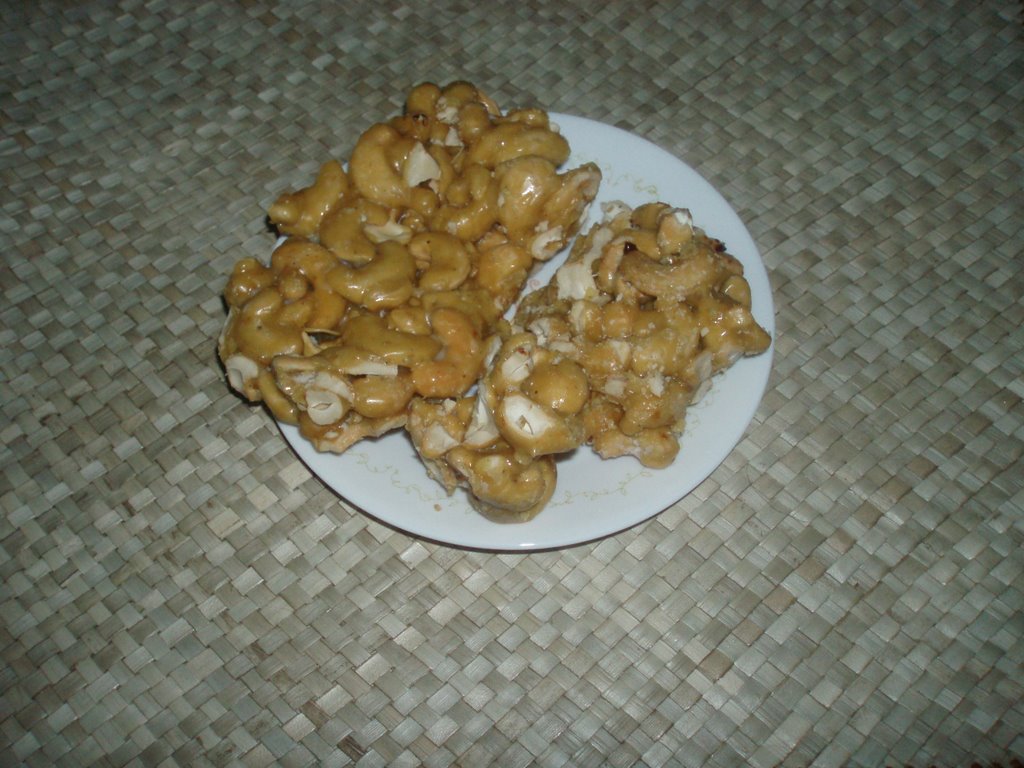
It was again Sia, Mallugirl and Maneka who guessed the cashew apple. I've seen plantations but have never seen the fruit on the tree. I tasted it just once but the nut had come off, so I can say this is the first time I've seen the real, whole McCoy. I'm notorious for extracting the peanuts and cashew nuts from the snacks that are passed around; my friends even credit me with a technique for that all my own!
The picture in the previous post was from a wayside plantation in Goa - the air is fragrant with the scent of these trees. I deliberately used that picture because the nut had dropped off. The fruit was ripe, waxy and oily, too much of a temptation not to pick. I clicked it, then I flicked it!

There are red fruit too, as you can see in this picture. The fruit are crushed and their juice fermented and distilled to make feni. This photo is from a distillation unit that was housed in a plantation we visited. There are a few plantations in and around Ponda which offer various packages for tourists (there may be others elsewhere, too) - with and without stay. I didn't know till recently that the oil of cashew is used as an anaesthetic for leprosy, and to cure warts and corns.

.....................................................................................
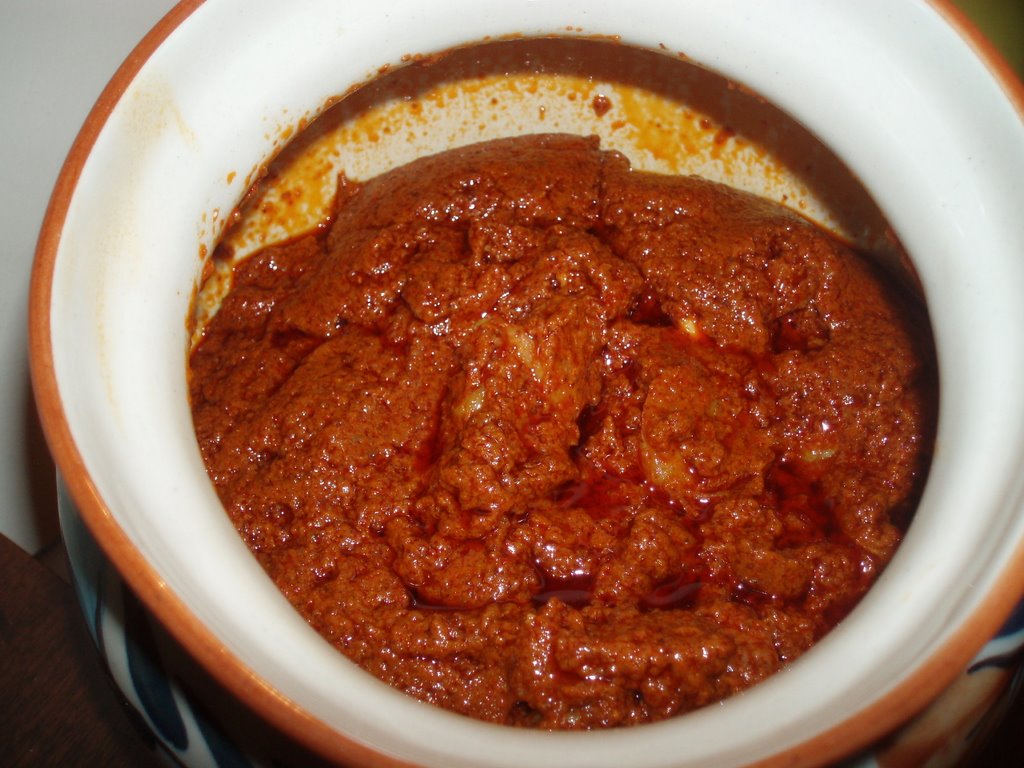
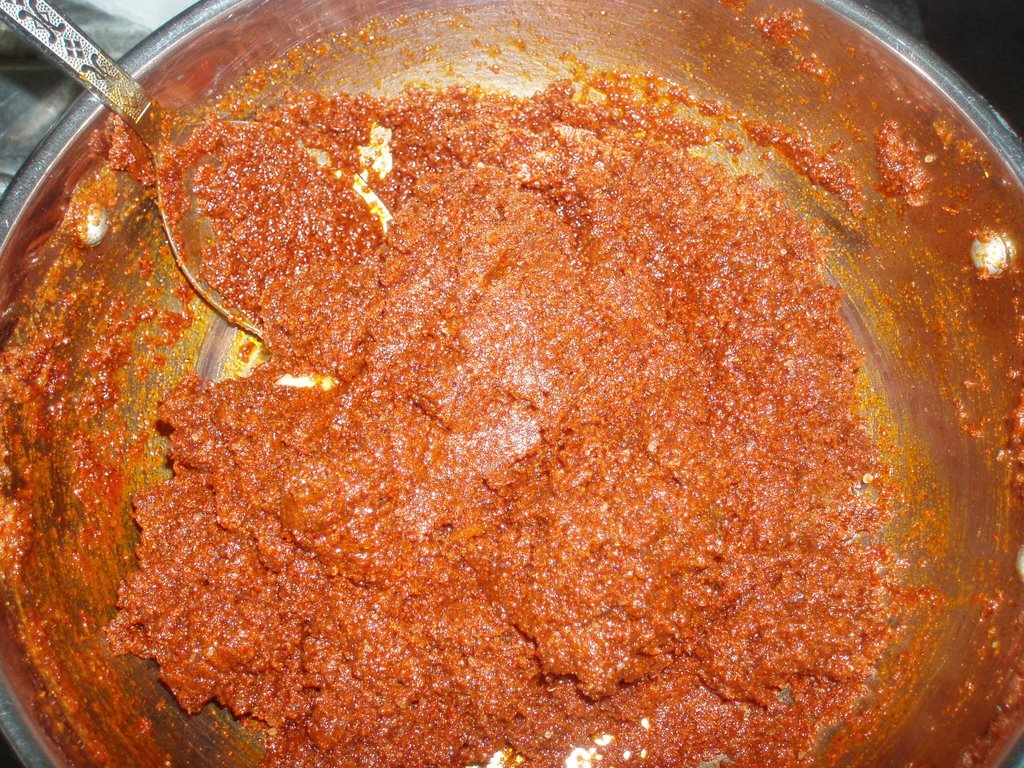
And now, we come to the final picture of the previous post. I'm thrilled (heh heh)no one who commented could guess what it was. I didn't too, when I saw it lying in the Sahakari Bhandar in Panaji. I was busy searching for cocum when I spied this. Another shopper nearby looked at me strangely when I asked her what it was but it was totally a new discovery to me - I've never, ever seen it in that form.
It was with some reservations that I posted it as the third question in the guessing game - it was not a spice I was "born into", it's not a spice I use in my daily cooking, I saw its other common forms only a few years ago (blush, blush!) and began using upon the recommendation of friends, but did that mean no one else would know it in this form?
Apparently, it's as strange to you all as it is to me, so here goes - it's asafoetida! Yes, inguva, hing, perungayam in Telugu, Hindi and Tamil. I like saying those unaccustomed to it react similarly to how most vegetarians react to the smell of frying fish - with a shudder and noses wrinkled, but for all its sulphurous pungency, this resin comes with a host of benefits, digestive, curative (whooping cough, asthma) and is even used in perfumes, I've read, difficult though it may be to believe. It's even called 'devil's dung' because of its smell! What a nickname to earn!
I'm sending this off to Weekend Herb Blogging hosted this week by Kate of Thyme for Cooking.
Tags: Areca Betel Nut Cashew Weekend Herb Blogging